
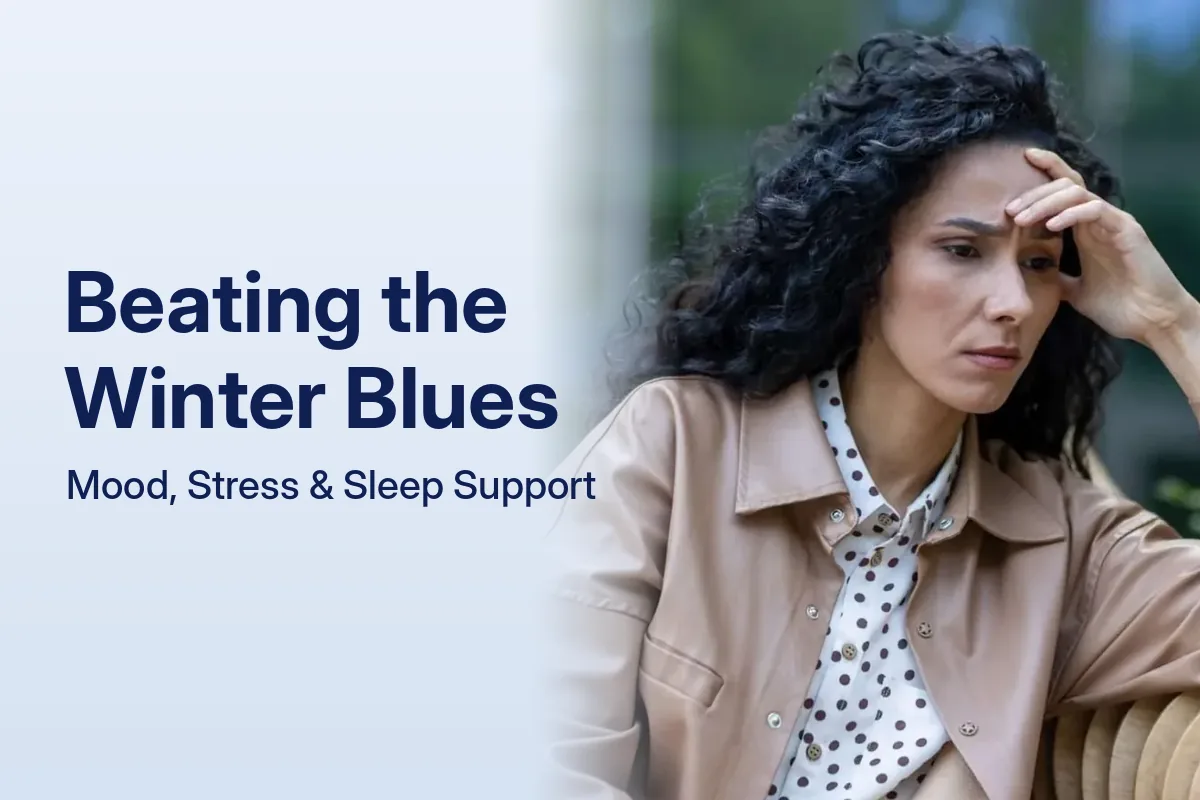
Beating the Michigan Winter Blues: How Your Family Doctor Can Help with Seasonal Depression, Stress, and Sleep

Medically Reviewed By
Dr. Sanjay Murthy, MPHTM, DABAM, DABUCM, BC-ADM, CGCP, CWHSFounder, WellHealth Medical Associates
When the clocks fall back on the first Sunday in November, Southeast Michigan loses its evenings almost overnight. By mid-December, the sun sets around 5 p.m. and Rochester Hills gets only about nine hours of daylight, often behind a thick layer of Great Lakes cloud cover. It's no surprise that many patients tell us they feel slower, sadder, and more tired from November through March.
For some people, that's a mild seasonal dip. For others, it's a real, treatable form of depression. Either way, your family doctor is a good place to start.
Winter blues or seasonal affective disorder?
The winter blues are common. You might feel a bit low, want to stay in more, and have a harder time getting up in the dark, but you still function, enjoy things, and bounce back on sunny days.
Seasonal affective disorder (SAD) is a type of major depression that follows a seasonal pattern, usually starting in late fall and lifting in spring. About 5% of U.S. adults experience it, and it's more common in northern states like Michigan, in women, and in young adults. Common signs include:
- Feeling sad, hopeless, or flat most days for two weeks or more
- Losing interest in activities you normally enjoy
- Oversleeping and still feeling exhausted
- Craving carbohydrates and gaining weight
- Trouble concentrating at work or school
- Pulling away from friends and family, the urge to "hibernate"
If these symptoms come back around the same time every year and interfere with your daily life, it's worth getting evaluated rather than waiting for spring.
Why we start with a checkup
Low mood and fatigue don't always come from the brain alone. At a visit, we'll use a short, validated questionnaire (the PHQ-9) to gauge how significant your symptoms are, and we may check for medical conditions that look a lot like depression, including an underactive thyroid, anemia, low vitamin B12 or vitamin D, sleep apnea, and medication side effects. Finding one of these can change the treatment plan entirely.
Treatments that work
- Light therapy: sitting near a 10,000-lux light box for about 20 to 30 minutes each morning, ideally within an hour of waking, is one of the best-studied treatments for SAD. Many people notice improvement within one to two weeks. Choose a box that filters UV light, and check with us first if you have bipolar disorder, an eye condition, or take medications that increase light sensitivity.
- Talk therapy: cognitive behavioral therapy (CBT), including a version adapted for SAD, helps break the cycle of withdrawal and low mood. It may also prevent symptoms from returning the following winter.
- Medication: antidepressants such as SSRIs can help when symptoms are moderate to severe. Bupropion XL is FDA-approved to prevent seasonal depressive episodes when started in the fall, before symptoms begin.
- Vitamin D: in Michigan, your skin makes very little vitamin D from winter sunlight. Supplements help correct a true deficiency, but research on vitamin D as a depression treatment is mixed. Testing before taking high doses is the safer route.
Stress and sleep: the winter multipliers
Holiday obligations, end-of-year deadlines, icy commutes, and heating bills all add stress, and stress and sleep feed each other. A few habits make a real difference:
- Anchor your wake-up time, even on weekends. A consistent morning schedule steadies your body clock more than an early bedtime does.
- Get outside in the late morning or midday. Even cloudy daylight is far brighter than indoor lighting. A 20-minute walk at Bloomer Park, the Clinton River Trail, or Stony Creek counts double: daylight plus movement.
- Watch alcohol and late caffeine. Both fragment sleep, and alcohol worsens low mood.
- Keep plans with people. Isolation deepens winter depression. Put standing social plans on the calendar now, before motivation drops.
- Don't ignore snoring or chronic insomnia. Sleep apnea and long-term insomnia are treatable medical problems. CBT for insomnia (CBT-I) works better long-term than sleeping pills for most people.
Care that fits a Michigan winter
Not everyone wants to drive on icy roads for an appointment, and we don't think you should have to. Follow-up visits for mood, stress, and sleep can often happen by video through our telepsychiatric health program, and our behavioral health team works alongside your primary care provider, so your mental and physical health are managed together.
When to get help right away
If you're having thoughts of harming yourself or feel that life isn't worth living, don't wait for an appointment. Call or text 988 to reach the 988 Suicide & Crisis Lifeline, available 24/7, or call 911 if you're in immediate danger.
Key Takeaway
If you feel down, exhausted, and withdrawn every winter, it may be more than the winter blues, and it's very treatable. A checkup can rule out medical causes, and light therapy, counseling, medication, and better sleep habits help most people feel like themselves again well before spring.
Ready to feel better? Let's get you scheduled.
Walk-ins welcome. Same-week appointments available for most services.